





Blog
Chastity Cage Guide: Types, Sizing & Safety
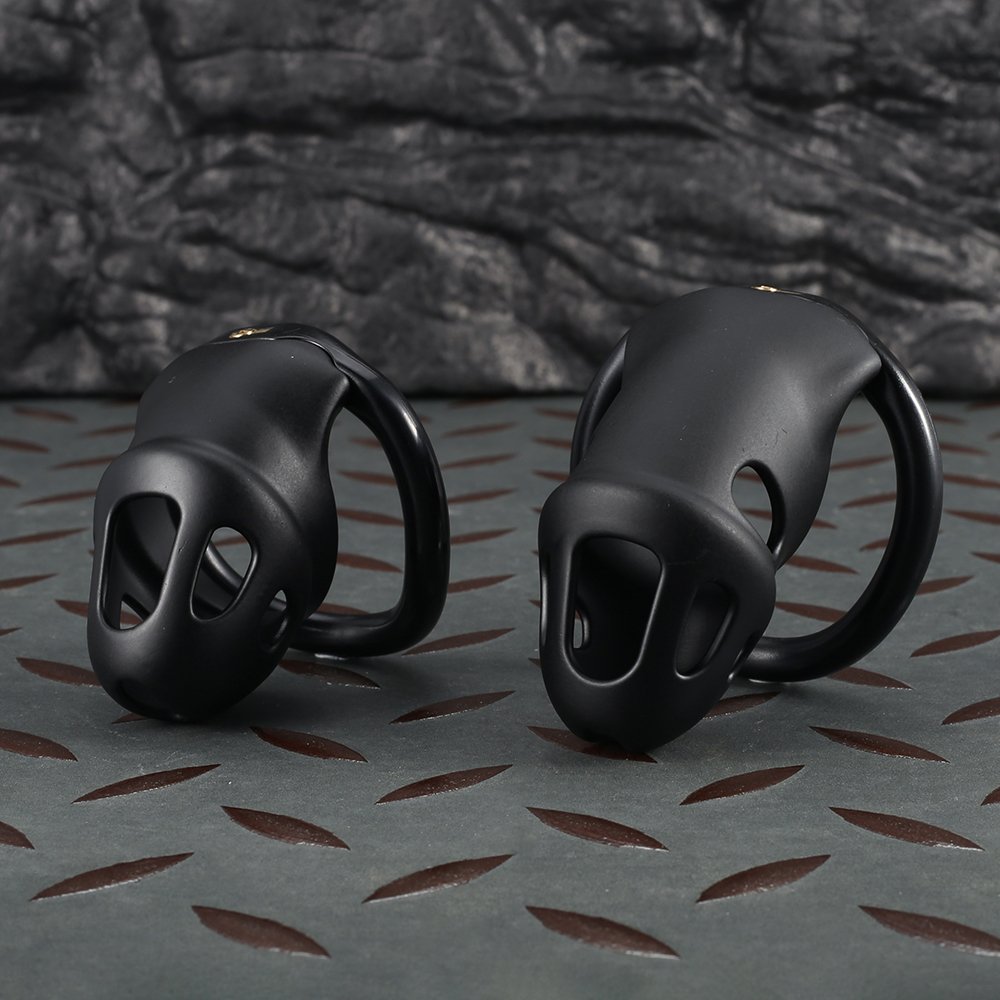
A chastity cage looks like a simple purchase: pick a style, pick a size, lock up. In practice, however, the difference between a cage you forget you’re wearing and one you take off after an hour comes down to a handful of choices – material, base ring shape, ring size, tube length and, increasingly, whether the cage has electronics built in. This guide walks through each decision and answers the questions buyers ask most often, from side effects and wear time to getting through airport security.
What Is a Chastity Cage?
A chastity cage (also called a male chastity device or cock cage) is a lockable enclosure worn over the flaccid penis that prevents erections and sexual touch until it is unlocked. Typically, a partner known as the keyholder holds the key, although some people wear a cage solo as a self-discipline practice.
How a male chastity device stays on
Every cage has the same two core parts:
- A base ring that sits around the base of the penis and behind the scrotum.
- A tube or cage that encloses the penis and connects to the ring with pins or a hinge.
Once the lock goes in, the narrow gap between ring and tube keeps the device secure. As a result, the base ring does most of the work – which is also why it carries most of the safety risk.
Why people wear chastity cages
Motivations vary: orgasm control and anticipation, deeper trust in a power-exchange relationship, long-distance play with a remote keyholder, or simply enjoying the feeling of restriction. In every case, the foundation is the same – informed, ongoing consent between adults and a clear, agreed plan for removal.
Chastity Cage Materials Compared
Material shapes almost everything about the experience: comfort, security, hygiene, weight and even whether you’ll set off a metal detector.
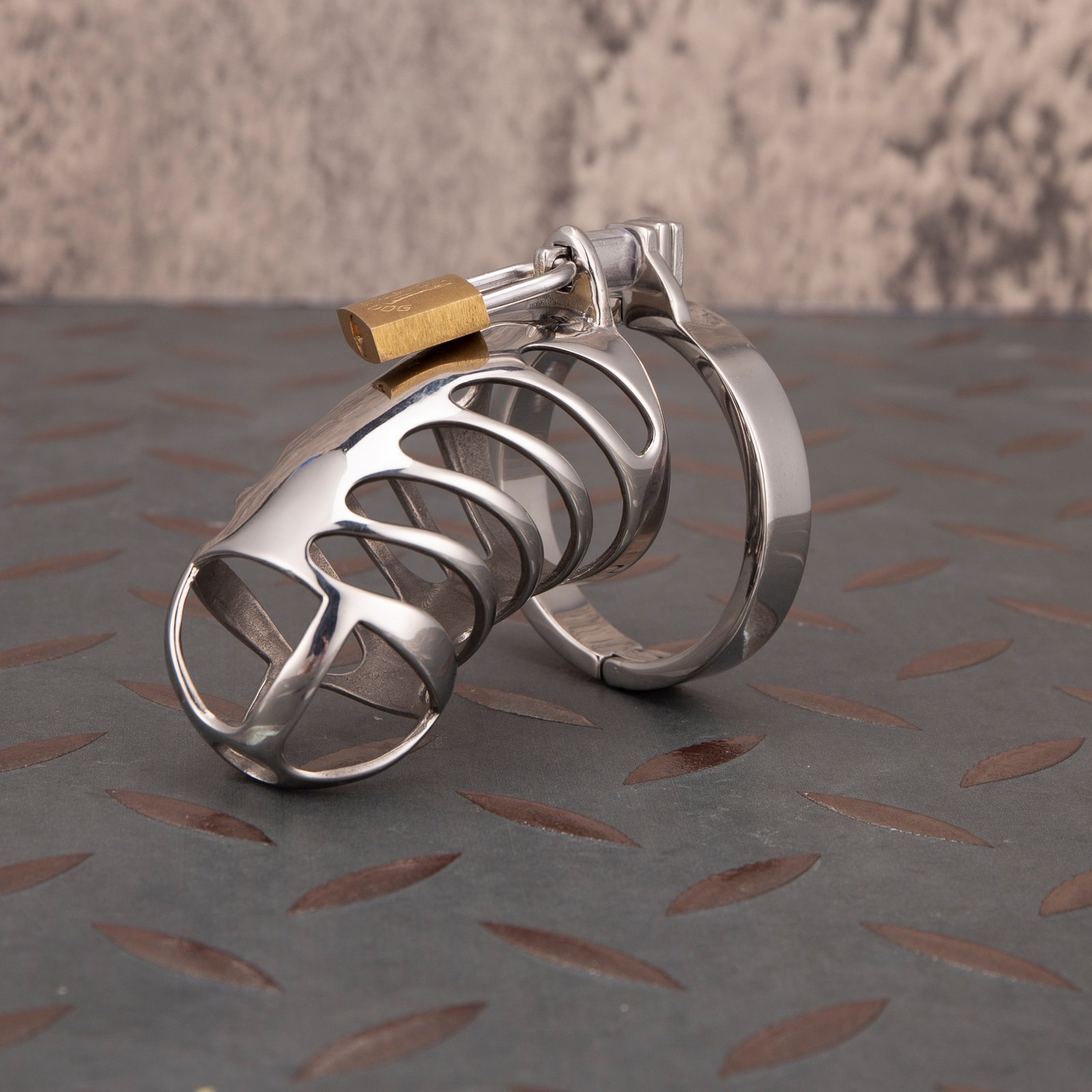
316 stainless steel chastity cages
Stainless steel is durable, very secure and easy to sanitise. Grade 316 is the one to look for: it is the same family of steel used for surgical and marine hardware, and it resists corrosion far better than cheaper alloys. Steel’s weight does add load to the base ring, so it works best once you’ve confirmed your ring size. If you have a nickel sensitivity, speak to a doctor before choosing any steel device.
3D-printed resin chastity cages
3D-printed resin cages are light, rigid and can be made in shapes that metal can’t easily match – open lattices, hearts, skulls and bows among them. Because they weigh so little, many wearers find them the most comfortable option for all-day and overnight wear. Before first use, run a fingertip over every edge and vent hole, since a rough print line can rub over a long day.
Silicone and soft plastic cages
Flexible cages are forgiving and rarely pinch, which makes them popular for a very first try. On the other hand, their flexibility makes them easier to slip out of, so most wearers move on to resin or steel once they know their fit.
| Material | Weight | Security | Best for | Main trade-off |
|---|---|---|---|---|
| 3D-printed resin | Very light | Medium–high | First cage, daily and overnight wear, travel | Print lines must be smooth |
| 316 stainless steel | Heavy | High | Experienced wearers, durability | Weight; metal detectors |
| Silicone | Light | Low–medium | Short first sessions | Easier to escape |
Chastity Cage Styles Explained
Flat, round or curved base ring?
The base ring shape matters as much as the cage. A flat ring sits flush against the body and stays discreet under clothing. A round ring is the traditional shape and spreads pressure evenly. A curved ring follows the natural contour of the pelvis, which many wearers find more comfortable for long sessions. Some cages also add an anti-slip ring, a second ring that makes it harder to pull out without unlocking – useful once your fit is dialled in, but not something to start with.
Standard-length cages
Standard cages follow your natural flaccid length, so they are the most comfortable and the easiest to clean. They’re the right starting point for most buyers.
Small and ultra-small cages
Small cages add restriction by leaving less room. However, they press harder during involuntary night-time erections, so move to them gradually – only after a standard cage has proven comfortable overnight.
Inverted cages
Inverted cages angle the penis downward and back toward the body. Fit the ring as usual, then guide the penis into the inward-facing tube before locking. Because the angle changes where pressure falls, check carefully for pinching behind the scrotum during the first few wears.
Full-enclosure (shell) cages
Shell designs enclose both the penis and the scrotum. They offer the most complete coverage, although they need more careful rinsing and drying to stay fresh.
Cages with urethral plugs
Some cages include a short urethral plug. These add sensation but also add real hygiene demands: sterilise the plug before every use, use a sterile water-based lubricant, and stop immediately if you feel sharp pain or see bleeding. Beginners should wait until they have weeks of trouble-free wear with a standard cage.
Electric Shock and App-Controlled Chastity Cages
Some cages add electronics: a remote that lets a keyholder send an electrical pulse, or a Bluetooth lock controlled from a phone. They’re popular for long-distance play, but they introduce risks a simple padlock never had.
Electrical stimulation safety
- Start at the lowest setting and increase gradually.
- Never use electrical stimulation if you have a pacemaker, another implanted device or a heart condition, unless a doctor has cleared it.
- Don’t use it on broken or irritated skin, and keep the electrodes clean and dry.
- Agree on a stop signal before any remote play starts.
Why app-controlled locks need extra caution
Connected locks are only as safe as the software behind them. In 2020, security researchers at Pen Test Partners found that the app behind one popular Bluetooth chastity cage could be abused by remote attackers to stop the lock from opening, potentially leaving a wearer locked in. The maker later released an updated app and pointed users to support or manual removal.
So, before buying any app-controlled cage, check that it has a documented manual override, that its app is actively updated, what personal data it collects, and what happens if the battery dies or your phone loses signal – and practise the emergency release before your first lock-up.
How to Measure for a Chastity Cage
Correct fit makes a cage comfortable, hygienic and secure at the same time. Most of the cages in our range ship with several ring sizes for exactly this reason.
Measure your base ring size
- Measure fully relaxed, at a comfortable room temperature.
- Wrap a strip of paper around the base of the penis and behind the scrotum, exactly where the ring will sit.
- Mark the overlap and measure it in millimetres.
- Divide by 3.14 to convert that circumference into a ring diameter.
- Repeat on several days and use the average.
If you land between sizes, start with the larger ring, and size down only once it has proven comfortable through a full day and night.
Choose your tube length
Measure your flaccid length from base to tip, then pick a cage that matches it or is only slightly shorter. Going much shorter increases pressure and discomfort, especially overnight.
Signs of a good fit
- One fingertip slides between ring and skin.
- Skin colour and temperature stay normal.
- The cage stays put when you walk, sit and climb stairs.
- You stop noticing it within about an hour.
Is a Chastity Cage Safe? Side Effects and Warning Signs
For healthy adults, chastity wear is generally low risk when the fit is right and hygiene is consistent. That said, there is very little clinical research on long-term chastity, so treat strong claims – positive or negative – with caution.
Common side effects
- Chafing and redness, usually from a rough edge, trapped moisture or a ring that’s slightly too small.
- Night-time discomfort, because involuntary erections still happen.
- Odour or irritation, typically from infrequent cleaning.
One myth deserves a direct answer. Melbourne GP Dr George Forgan-Smith explains that very short devices can push the penis back and stretch the suspensory ligament, which may make it look more recessed – but long-term chastity does not change the penis’s actual size, shape or ability to become erect.
Remove the cage immediately if you notice
- Numbness, tingling or cold skin
- Blue, purple or dark discolouration
- Swelling that doesn’t settle
- Broken skin, sores or blisters
- Pain or difficulty urinating
Take discolouration especially seriously: Harvard Health notes that a deep purple colour on the head of the penis can signal a severe loss of blood flow and usually indicates a medical emergency. Remove the device and seek emergency care straight away.
Always have an emergency plan
Before the first lock-up, agree how the cage comes off in an emergency. The wearer should always be able to reach a spare key or a sealed emergency key, and nobody should use a lock that can’t be removed quickly.
How Long Can You Wear a Chastity Cage?
Wear time depends on fit, material and your own body rather than a fixed rule. Most experienced wearers build up gradually; the schedule below is a common conservative approach, not medical advice.
| Stage | Wear time | What you’re testing |
|---|---|---|
| First days | 1–3 hours at home | Ring size and comfort |
| Week 1–2 | A full day, including going out | Comfort while active and seated |
| Week 2–3 | First overnight | Tolerance of night-time erections |
| Ongoing | Multi-day, with a daily clean-and-check | Sustainable long-term wear |
Planning a longer challenge? Our Locktober 2026 guide sets out the dates, rules and a safe beginner’s plan for a month of chastity.
Cleaning and Hygiene
- Remove the cage when your arrangement allows and wash it in warm water with mild, unscented soap.
- Wash and fully dry the skin underneath, checking for redness.
- Dry the cage completely before relocking – trapped moisture drives odour and rashes.
- When the cage can’t come off, flush the tube thoroughly in the shower.
- Trim hair while uncaged if it catches, rather than shaving right before lock-up.
Travelling With a Chastity Cage: TSA and Airport Security
You can fly while locked, but plan for extra screening.
- Steel cages and padlocks will almost certainly alarm a walk-through metal detector.
- Resin cages aren’t invisible either. The TSA says its millimetre-wave body scanners screen for both metallic and non-metallic items under clothing, so a resin cage can still be flagged for a pat-down.
- Pat-downs are done by an officer of the same sex, and you can ask for private screening with a companion of your choice at any time.
- You won’t be asked to expose sensitive areas: TSA’s screening guidance states it will not ask travellers to expose the groin.
For travel, a lightweight 3D-printed resin cage is usually the easiest choice. Keep any explanation brief, calm and factual, and carry a backup way to remove the device at your destination.
How Much Does a Chastity Cage Cost?
Prices depend mainly on material, finish and features. As a guide, across the BDSM Corner range today:
- 3D-printed resin cages: about $49.90–$65, most with four or six ring sizes included.
- 316 stainless steel cages: about $65–$70.
- Lightweight Mamba-style cages: about $69–$79.
- Full-shell and electric shock cages: about $99–$159.
Cheaper marketplace cages can work, but they often include only one ring size and rougher finishing. For a first purchase, a kit with several rings usually saves money overall.
Frequently Asked Questions
What is the function of a chastity cage?
It prevents erection and sexual touch until the keyholder unlocks it. For most people, the point is the control, trust and anticipation rather than the device itself.
Can you pee while wearing a chastity cage?
Yes. Every cage has an opening for urination. Sitting down usually works best; rinse and dry the tube as part of daily cleaning.
Can you sleep in a chastity cage?
Yes, once your fit is confirmed. Night-time erections may wake you at first; for most wearers this settles within a week or two.
What is the best chastity cage for beginners?
A standard-length, lightweight cage with several ring sizes. A 3D-printed resin cage with four ring sizes is a good place to start; move to stainless steel, small or inverted designs once you know your measurements.
What does the keyholder do with the key?
Many keyholders keep it on them, which is why chastity key necklaces are popular. Whatever you choose, make sure a spare or emergency key is always reachable.
Should a beginner start with an electric or app-controlled cage?
Generally, no. Learn your fit with a simple key-lock cage first. If you move to electronic cages later, confirm there’s a manual override and follow the stimulation safety steps above.
Final Thoughts
The best chastity cage is the one that fits well and that you can always remove safely. Measure carefully, choose a forgiving material for your first cage, build up wear time gradually and agree on an emergency plan with your keyholder. From there, you can explore stainless steel, small, inverted or electronic designs with confidence.