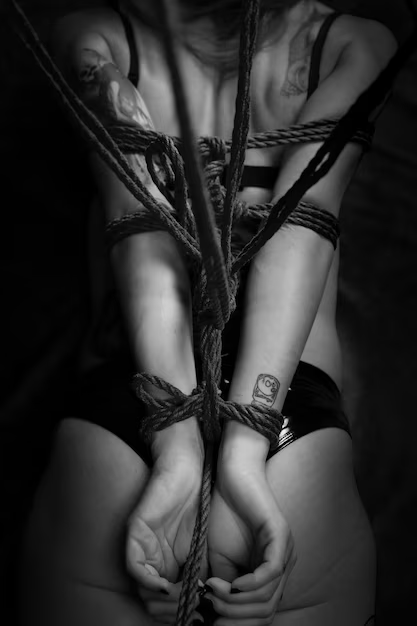
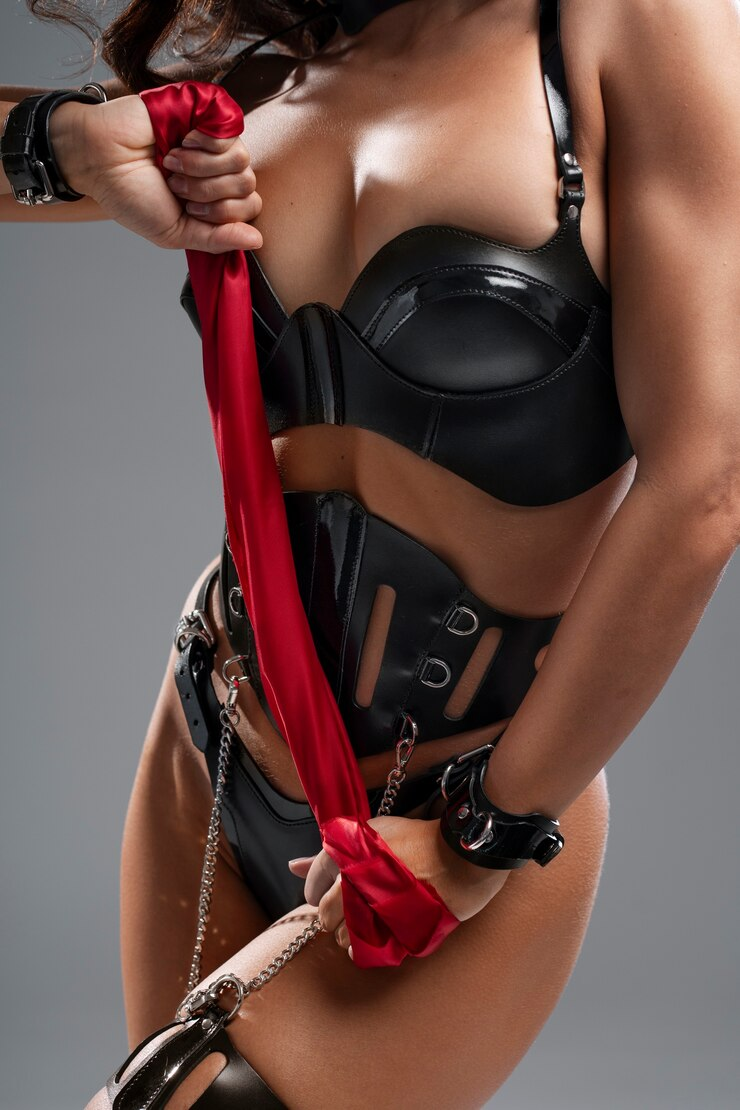
When people think about rope bondage, they often imagine the beautiful patterns of Shibari or Kinbaku, styles that come from Japan. But did you know there’s a different type of rope play that’s all about making things interactive and exciting? It’s called Western-style Predicament Bondage, and it’s a bit of a lost art.
Unlike some styles where the person being tied stays completely still, Predicament Bondage creates situations where moving changes everything. Struggling makes the ropes tighter, so the person being tied has to think carefully about what to do. Every move creates a new “predicament,” or tricky decision, making it a fun and challenging game for both people involved.

Eastern vs. Western Bondage: What’s the Difference?
Let’s break it down:
-
Eastern Bondage (Shibari and Kinbaku):
- Focused on beauty and patterns, like weaving art with ropes.
- Inspired by traditional Japanese practices.
- It’s like creating a work of art on someone’s body.
-
Western Bondage (Predicament Style):
- About creativity and interaction rather than looks.
- Uses fewer ropes and focuses on how movement changes the tension.
- It’s more like a game where every choice matters.
How Does Predicament Bondage Work?
The magic of Predicament Bondage comes from the way it challenges the person being tied up. If they move in one direction, the ropes might pull tighter somewhere else. Every little wiggle or shift creates new feelings, so they have to decide:
- Stay still? Avoid tightening the ropes but stay in one position.
- Move? Try for relief but risk making things more uncomfortable.
This creates a fun back-and-forth between both people, making it feel like an interactive puzzle.
Three Things You’ll Learn
1. Reverse Tension: The Key to Fun
Reverse tension is what makes the ropes tighten when the person moves. It’s a clever way of using the ropes to make every little movement count. You’ll learn how to set this up so it’s both fun and safe.
2. Rope Management and Anchor Points
An anchor point is where you tie the rope to something sturdy, like a chair, table, or even another part of the body. Knowing how to manage the ropes and pick good anchor points helps you create cool setups without needing a ton of equipment.
3. The Only Three Knots You’ll Ever Need
You don’t have to be a knot expert to enjoy Western-style bondage. With just three simple knots, you can do almost anything:
- The Loop Knot: Great for making a circle of rope to go around something.
- The Square Knot: Super simple and great for keeping things secure.
- The Slip Knot: Easy to adjust and perfect for creating tension that changes.
Why Try Western-Style Bondage?
It’s not just about tying ropes—it’s about creating a playful and creative experience. It’s perfect for people who like puzzles, games, and new challenges. Plus, you don’t need a lot of fancy tools—just some ropes and a little imagination.

Conclusion
Western-style Predicament Bondage is all about having fun, building trust, and being creative together. Whether you’re new to rope play or looking for something different, this style is easy to learn and exciting to explore.
Ready to give it a try? With just a few ropes and a lot of creativity, you can dive into a whole new world of interactive fun!